9 Smart Ways to Add Flavor to Healthy Meal – Make Every Bite Delicious

Eating healthy doesn’t have to be boring. Knowing how to add flavor to healthy meal transforms simple dishes into irresistible, satisfying, and nutritious meals.
Whether you’re cooking for yourself, family, or meal prepping for the week, these techniques will boost taste without adding unnecessary calories or fat.
Why You Should Learn to Add Flavor to Healthy Meal
Enhancing flavor in nutritious meals is about more than taste:
- Keeps you satisfied — flavorful meals curb cravings.
- Encourages consistent healthy eating — you’re more likely to stick to nutritious choices.
- Makes clean eating enjoyable and sustainable — flavorful meals feel indulgent without guilt.
External resource for healthy flavoring: Harvard Health – Flavor in Healthy Eating
1. Use Fresh Herbs Generously
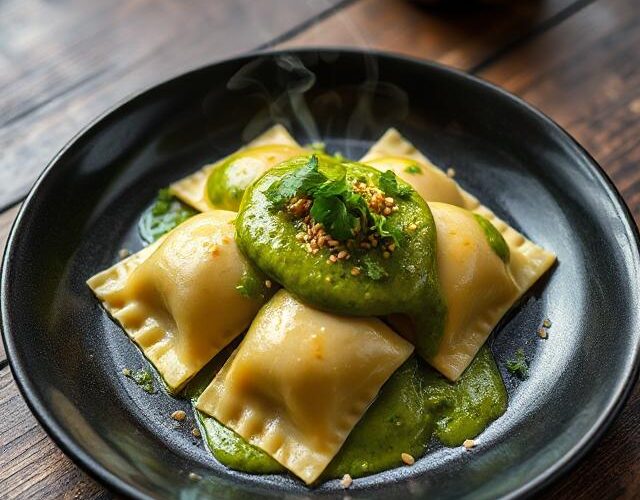
Add fresh herbs like parsley, basil, dill, mint, or cilantro just before serving. They provide bright flavor and a nutrient boost.
Internal link example: Herbs That Boost Flavor and Health
2. Add Acidity
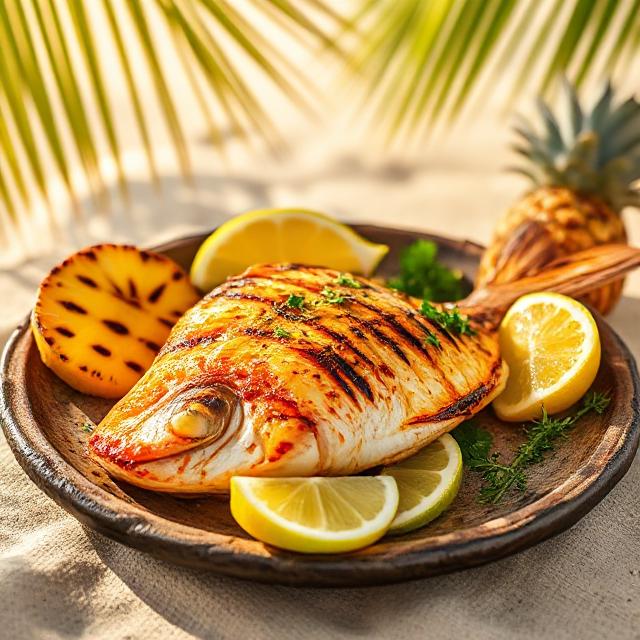
A splash of lemon, lime, or vinegar can brighten flavors and reduce the need for extra salt or oil. Citrus zest works wonderfully on grains, veggies, and proteins.
3. Boost Umami
Umami adds depth without extra fat:
- Nutritional yeast
- Miso paste
- Tamari or soy sauce
- Mushrooms (shiitake, cremini)
- Sun-dried tomatoes
Learn more: Umami Foods for Plant-Based Meals
4. Toast Spices
Toasting spices like turmeric, cumin, smoked paprika, or curry powder releases essential oils for deeper flavor. Perfect for grains, roasted veggies, or tofu.
5. Cook With Flavorful Liquids
Use veggie broth, dashi, or coconut water instead of plain water when cooking grains, beans, or vegetables. This step subtly infuses flavor without adding fat.
6. Roast or Caramelize
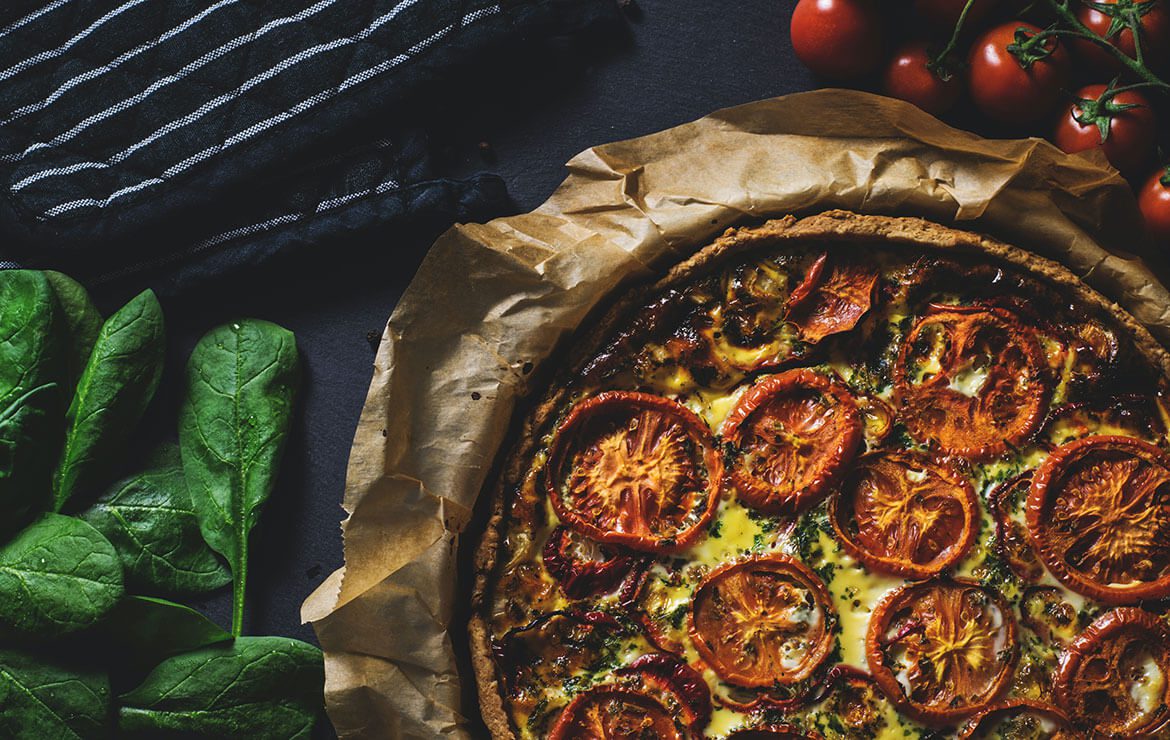
Roasting naturally sweetens vegetables, enhances aroma, and develops savory notes. Think roasted onions, garlic, sweet potatoes, or bell peppers.
7. Add Textural Contrast
Texture elevates flavor perception. Include crunchy raw veggies, toasted nuts or seeds, crispy chickpeas or lentils, and creamy elements like hummus or avocado.
8. Use Healthy Fats Strategically
Drizzle olive oil, sesame oil, or tahini before serving to maximize taste without extra calories during cooking.
9. Layer Flavor From Start to Finish
Season at multiple stages, sauté aromatics, taste mid-cook, and finish with herbs, citrus, or a dash of acid. This builds depth and complexity in every bite.
Quick Flavor Pairings for Healthy Meals
| Base Ingredient | Flavor Boosters |
|---|---|
| Quinoa | Lemon zest, roasted peppers, basil |
| Chicken breast | Smoked paprika, garlic, lime juice |
| Steamed broccoli | Sesame oil, garlic, chili flakes |
| Lentils | Curry powder, ginger, coconut milk |
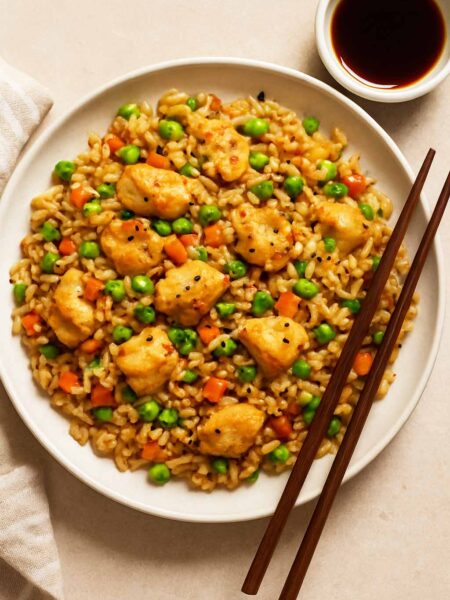
| Brown rice | Cilantro, lime, chopped peanuts |
| Grilled tofu | Tamari, miso, scallions, sesame seeds |